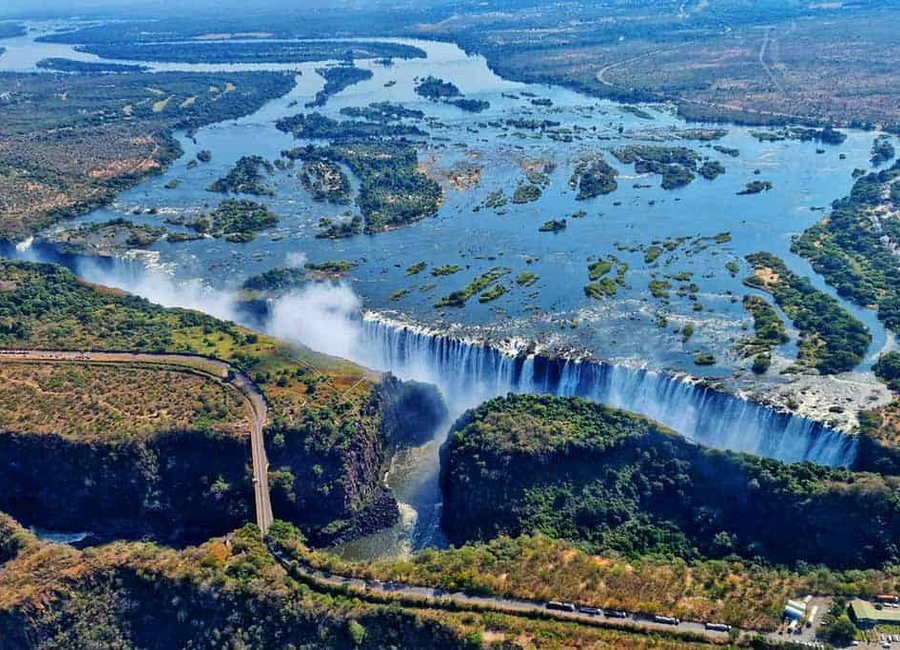
If Victoria Falls is the spectacle, Hwange is the quiet. Zimbabwe’s largest national park covers roughly 14,650 square kilometres in the north-west corner of the country, and it does not feel busy at any point.
The Zimbabwe Parks and Wildlife Management Authority records around 100 mammal species and close to 400 bird species here, across savanna grassland and teak and mopane woodland. Four of the big five are present: elephant, lion, leopard and buffalo.
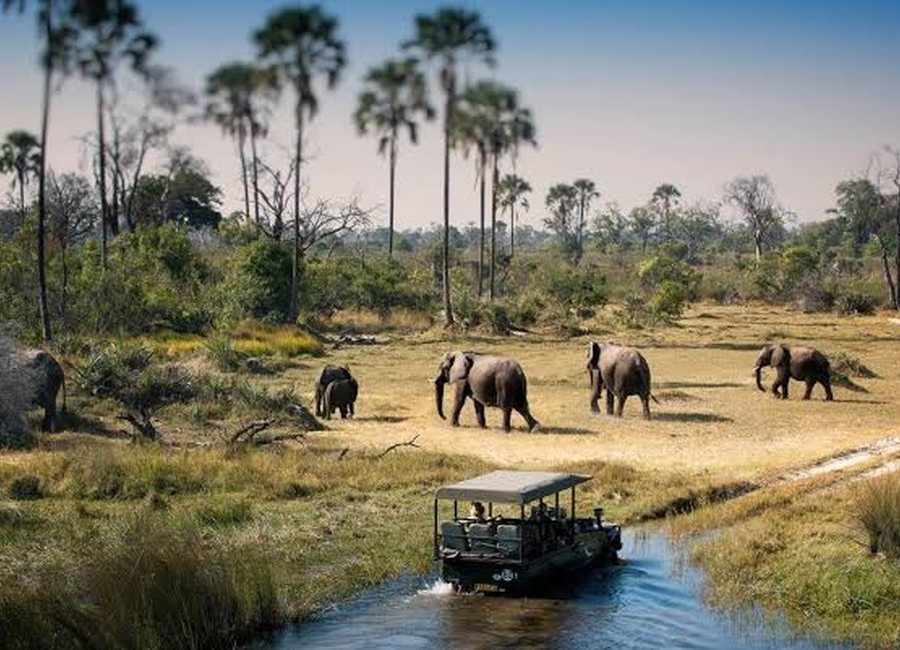
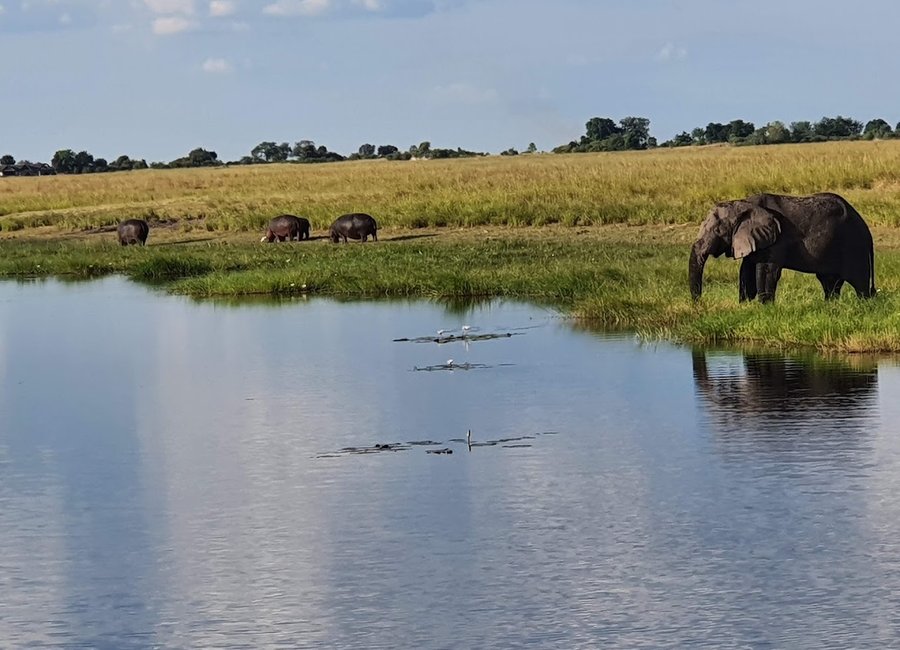
Elephants are what Hwange is known for. The park holds one of the largest populations on the continent, and in the dry months they gather at waterholes in numbers that are difficult to describe until you have watched it happen.
What you may see
Elephant, buffalo, lion, leopard, giraffe, zebra and wildebeest are all present. Hwange also holds Zimbabwe’s most substantial population of African wild dog, and both sable and roan antelope occur here. Birdlife is excellent, particularly around the pans.
Nothing is guaranteed. Wildlife moves, seasons change and sightings vary. That is rather the point of it.
The waterholes
Much of Hwange has no permanent surface water. A network of pumped waterholes sustains wildlife through the dry season, and they become the centre of the action from roughly August to October. Sitting quietly at a waterhole in the late afternoon is one of the better ways to spend a day in Zimbabwe.
Getting there from Victoria Falls
ZimParks gives the route as 172 kilometres from Victoria Falls towards Bulawayo, turning at Cross Mabale and continuing 23 kilometres on tar to the park.
Hwange works as an overnight or multi-night addition to a Victoria Falls stay rather than a day trip. We can arrange the transfer and the accommodation.
Journey times vary with road and vehicle conditions. Confirm current timings with us when you book.
Ask about a Hwange safari